French Toast Size Guide: A Comprehensive Overview (Updated 03/08/2026)
Navigating French toast portioning involves understanding bread choices—white, challah, or brioche—and adjusting egg ratios for optimal results, typically yielding 6-8 pieces per batch․
Determining appropriate French toast portion sizes is crucial for a satisfying experience․ Factors like bread type – whether it’s standard white, rich challah, or decadent brioche – significantly impact yield․ A one-pound loaf is ideal for starting, ensuring slices aren’t too thin․
Generally, 6-8 pieces can be achieved with a standard recipe, but adjusting the egg-to-bread ratio based on loaf size is key․ Consider individual appetites and planned accompaniments when deciding how much to prepare․
Understanding Bread Size and Yield
Bread selection profoundly influences French toast yield and serving size․ Starting with an uncut loaf allows for control over slice thickness, avoiding overly thin portions․ A standard one-pound loaf of white sandwich bread is a popular choice, offering a classic base․
However, challah and brioche, being richer and denser, naturally produce larger, more substantial servings․ Understanding these differences is vital for accurate portioning and recipe scaling․
Standard Loaf Sizes for French Toast
When crafting French toast, a one-pound loaf of bread serves as a reliable starting point․ This commonly available size provides a good balance for typical household consumption․ Utilizing an uncut loaf is recommended to ensure slices aren’t pre-cut too thinly, impacting the final texture and portion size․
Larger loaves exist, but adjusting the egg mixture becomes crucial to maintain proper saturation and prevent soggy results․
Impact of Slice Thickness on Serving Size
Slice thickness dramatically influences the perceived serving size of French toast․ Thinner slices, often found in pre-sliced bread, will naturally yield more pieces per loaf, creating smaller individual portions․ Conversely, thicker slices, achieved by cutting from an uncut loaf, result in fewer, more substantial servings․
Consider desired portion size when slicing, as it directly impacts the overall experience․
Egg-to-Bread Ratio and Serving Calculation
Determining the correct egg-to-bread ratio is crucial for achieving perfectly soaked, flavorful French toast․ A basic guideline suggests using one fewer egg than the desired number of slices for standard bread․ However, for oversized loaves, utilizing the same number of eggs as slices is recommended․
This ensures adequate coverage and prevents dryness․
Basic Egg Ratio for Normal Bread
For standard-sized bread loaves, a simple formula dictates the egg quantity․ If you aim for three slices of French toast, utilize two eggs in your custard mixture․ This “eggs minus one” approach ensures sufficient liquid for soaking without resulting in soggy French toast․
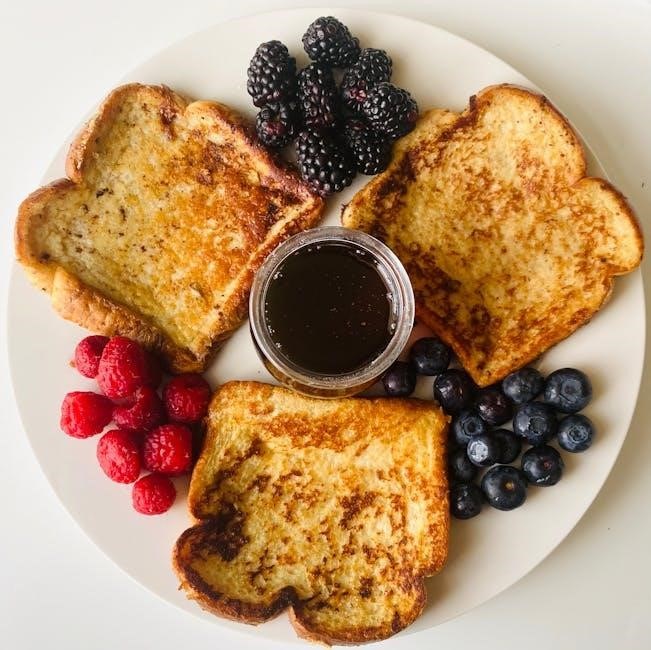
This ratio works exceptionally well with white sandwich bread․
Adjusting Egg Ratio for Oversized Loaves
When working with larger, oversized loaves – such as challah or brioche – a slight adjustment to the egg ratio is crucial․ Unlike standard bread, oversized loaves require an egg quantity equal to the desired number of French toast slices․
For instance, if you want four slices, use four eggs to ensure proper saturation․
Typical French Toast Serving Sizes
Determining a typical French toast serving size depends on several factors, but a common guideline suggests 6-8 pieces constitutes an average portion․ This estimate assumes the use of standard-sized bread slices, like a one-pound loaf of white sandwich bread․
However, richer breads like challah or brioche may naturally lead to larger, more satisfying servings․
Average Serving: 6-8 Pieces
Generally, a satisfying French toast serving consists of 6-8 pieces, derived from a standard recipe utilizing approximately 6 tablespoons of milk and a splash of vanilla extract․ This quantity provides a balanced portion for a delightful breakfast or brunch experience․
The exact number can fluctuate based on bread type and individual appetite․
Serving Size Based on Bread Type (White, Challah, Brioche)
White sandwich bread typically yields more pieces per loaf, around 8, due to its standard slice thickness․ Richer breads like challah and brioche, however, offer larger, more substantial slices, resulting in a serving of 6 pieces․
Choosing an uncut loaf ensures optimal slice thickness for a perfect French toast experience․
French Toast for Different Meal Types
For breakfast, a standard serving of 6-8 pieces provides a satisfying start to the day․ Brunch or dessert portions can be adjusted – consider 3-4 pieces for a lighter indulgence, paired with fruit and syrup․
Portion control is key, adapting to the meal’s context and overall spread․
Breakfast Serving Sizes
A typical breakfast serving of French toast generally consists of 6-8 pieces, offering a substantial and energizing meal․ This quantity is ideal when paired with traditional breakfast sides like bacon, sausage, or fresh fruit․
Adjust based on appetite, but this range provides a balanced and fulfilling start to the day․
Brunch & Dessert Portion Control
For brunch or dessert, French toast portions can be slightly smaller, around 4-6 pieces, due to the often richer accompaniments like whipped cream, fruit compotes, or decadent syrups․
This allows for indulgence without feeling overly full, maintaining a delightful balance of flavors and textures in these more leisurely meals․
Factors Influencing French Toast Consumption
Individual appetite and generosity significantly impact French toast consumption․ Some prefer a modest serving, while others enjoy a more substantial portion․
Furthermore, the presence of accompaniments—fruits, syrups, or savory sides—can influence how much French toast is eaten, affecting overall satisfaction and portion size․
Individual Appetite and Generosity
Personal hunger levels and a willingness to indulge heavily shape French toast portioning․ Some individuals consistently favor generous servings, perhaps adding extra toppings or enjoying larger slices․
Conversely, others may prioritize smaller portions, focusing on a balanced breakfast or mindful eating habits․ This inherent variability is key․
Accompaniments and Side Dishes
The presence of sides significantly impacts perceived French toast serving size․ A substantial plate featuring fruits, syrups, and toppings can make a smaller portion feel complete․
Conversely, serving French toast alone might necessitate a larger quantity to achieve satisfaction․ Consider the overall meal composition when determining appropriate portion sizes for a balanced experience․
Scaling French Toast Recipes
Adjusting French toast recipes for larger groups requires careful ingredient scaling․ Doubling or tripling the recipe necessitates proportional increases in eggs, milk, and vanilla extract․
Remember the egg-to-bread ratio: use one less egg than the desired slice count for normal bread, or the same number for oversized loaves, ensuring consistent texture and flavor throughout the larger batch․
Doubling or Tripling the Recipe
When doubling, simply multiply all ingredients by two; for tripling, multiply by three․ Maintaining the original egg-to-bread ratio is crucial for consistent results․
For example, if the original recipe calls for two eggs for three slices, a doubled recipe would need four eggs for six slices․ Ensure adequate pan space to avoid overcrowding during cooking, potentially requiring multiple batches․
Adjusting Ingredient Quantities for Larger Batches
Scaling up requires precise adjustments beyond simple multiplication․ Monitor milk and vanilla proportions carefully; a slight increase may be needed to adequately soak larger volumes of bread․
Consider the size of your mixing bowl – ensure it’s large enough to accommodate the increased volume․ Test a single slice first to confirm the egg mixture fully coats the bread before proceeding with the entire batch․
Bread Choices and Their Impact on Size
Bread selection dramatically influences French toast size and richness․ A one-pound loaf of white sandwich bread is a classic choice, offering a balanced texture․
Challah and brioche, being richer and denser, naturally yield larger, more substantial servings․ Opting for an uncut loaf allows for controlling slice thickness, preventing overly thin portions․
White Sandwich Bread Considerations
For classic French toast, a one-pound loaf of white sandwich bread is highly recommended․ Its texture absorbs the egg mixture beautifully, creating a tender result․
Choosing an uncut loaf is crucial; pre-sliced bread often results in slices that are too thin, diminishing the final portion size and structural integrity of the toast․
Challah and Brioche: Richer, Larger Servings
Challah and brioche, enriched breads, naturally lend themselves to more substantial French toast servings․ Their inherent richness and density mean fewer slices are needed to achieve satisfaction․
Due to their size and texture, adjust the egg ratio accordingly – potentially using the same number of eggs as slices desired – to ensure proper soaking and a flavorful outcome․
Milk and Vanilla Proportions & Yield
A standard French toast mixture typically incorporates around 6 tablespoons of milk, complemented by a “few good splashes” of vanilla extract for enhanced flavor․ This proportion effectively moistens the bread without making it soggy․
Using this base, expect to comfortably prepare enough custard for 6-8 pieces of French toast, depending on bread size and thickness․
Standard Milk Measurement (6 tablespoons)
The foundational liquid component for classic French toast relies on a precise measurement: 6 tablespoons of milk; This quantity strikes a balance, ensuring sufficient moisture for bread saturation without resulting in a soggy final product;
This standard measurement, when paired with vanilla, provides a base for a batch yielding approximately 6-8 pieces of delicious French toast․
Vanilla Extract and Flavor Enhancement
Vanilla extract is a crucial element, elevating the simple combination of eggs and milk into a truly delightful French toast experience․ A “few good splashes” alongside the standard 6 tablespoons of milk significantly enhances the overall flavor profile․
This addition complements the bread, creating a warm, inviting aroma and taste, perfect for 6-8 pieces of golden-brown perfection․
French Toast for Specific Dietary Needs
Adapting French toast for diverse needs requires mindful portion adjustments․ Smaller portions are ideal for children, ensuring a balanced and appropriately sized treat․
Furthermore, catering to dietary restrictions, such as gluten-free requirements, necessitates using suitable bread alternatives while maintaining the core egg-to-bread ratio for consistent results․
Smaller Portions for Children
When serving French toast to children, prioritize appropriately sized portions to prevent overeating and ensure a balanced meal․ A single slice, or half of a standard slice, is often sufficient, depending on the child’s age and appetite․
Consider cutting the French toast into fun shapes to encourage enjoyment and mindful consumption․
Adjusting for Dietary Restrictions (e․g․, Gluten-Free)
Adapting French toast for dietary needs requires careful ingredient substitutions․ For gluten-free diets, utilize gluten-free bread; however, be aware that it may absorb less liquid, potentially impacting the desired texture and requiring slight egg ratio adjustments․
Ensure all other ingredients, like vanilla extract, are also certified gluten-free to avoid cross-contamination․
Advanced Techniques for Consistent Sizing
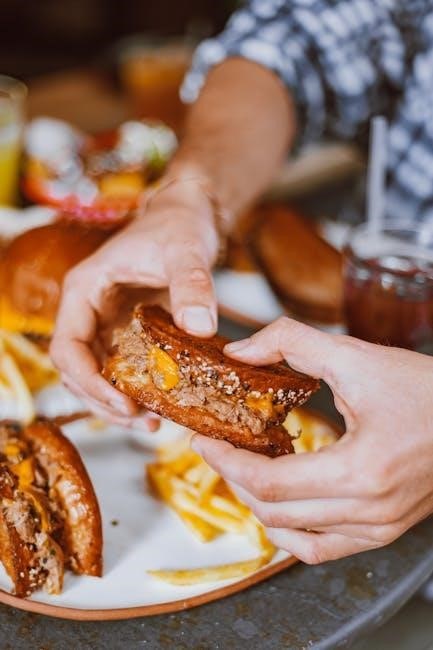
Achieving uniform French toast slices demands precision․ Employing a bread slicer guarantees consistent thickness, crucial for even cooking and presentation․ Pre-soaking time significantly impacts bread absorption; monitor closely to prevent sogginess or dryness․
Experiment with soaking durations to find the sweet spot for your chosen bread type, ensuring each piece cooks evenly․
Using a Bread Slicer for Uniformity
A bread slicer is paramount for consistent French toast sizing․ Hand-cut slices often vary in thickness, leading to uneven cooking․ Utilizing a slicer ensures each piece receives equal custard exposure, promoting a uniformly golden-brown and delightfully textured result․
Invest in an adjustable slicer to accommodate different loaf sizes and desired slice thicknesses for perfect French toast every time․
Pre-Soaking Time and Bread Absorption
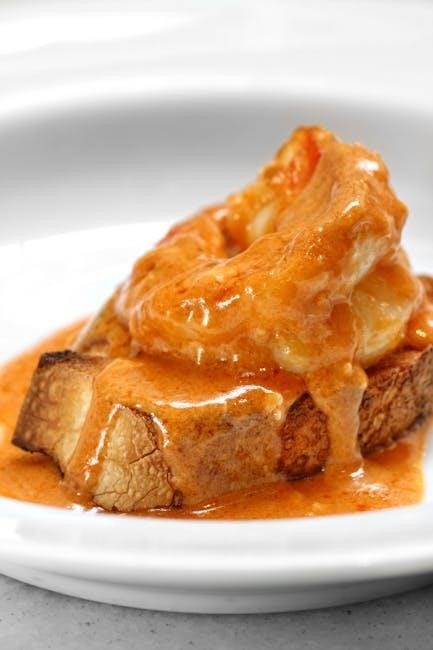
The duration of bread soaking significantly impacts French toast texture․ Allowing sufficient time—but not over-saturating—ensures even custard absorption․ Denser breads, like challah or brioche, require longer soaking than lighter white bread․
Monitor absorption; the goal is a thoroughly moistened slice that isn’t falling apart, creating a delightful, custardy interior․
Common Mistakes in French Toast Sizing
Frequently, using overly thin bread slices results in flimsy French toast that quickly becomes soggy․ Conversely, an incorrect egg-to-bread ratio—too few eggs—leaves the bread dry․
Remember to use an uncut loaf for thicker slices! Prioritize a balanced ratio for optimal texture and avoid over-saturation or dryness․
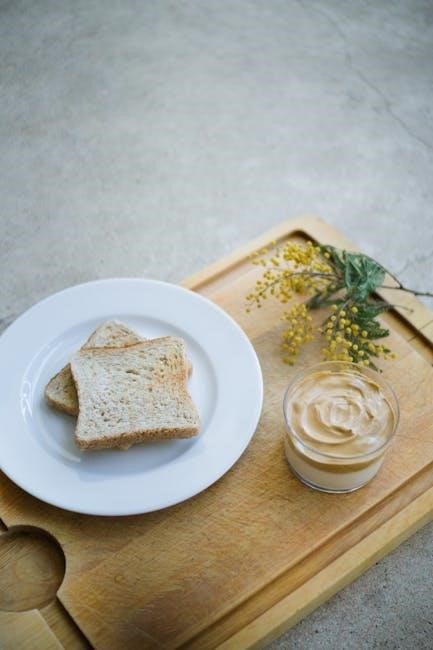
Using Too-Thin Bread Slices
Employing pre-sliced, thin bread is a common pitfall in French toast preparation․ These slices lack structural integrity, becoming easily saturated and falling apart during cooking․
Opting for an uncut loaf allows for creating substantial slices, providing a better base for soaking and achieving a delightful, sturdy texture․ This ensures a more satisfying bite!
Incorrect Egg-to-Bread Ratio
A miscalculated egg-to-bread ratio significantly impacts French toast quality․ Using too few eggs results in dry, bland toast, while an excess creates a soggy, unappetizing texture․
For standard bread, subtract one from your desired slice count to determine the egg quantity․ Oversized loaves may require an equal number of eggs to slices for proper saturation․
Serving Suggestions and Presentation
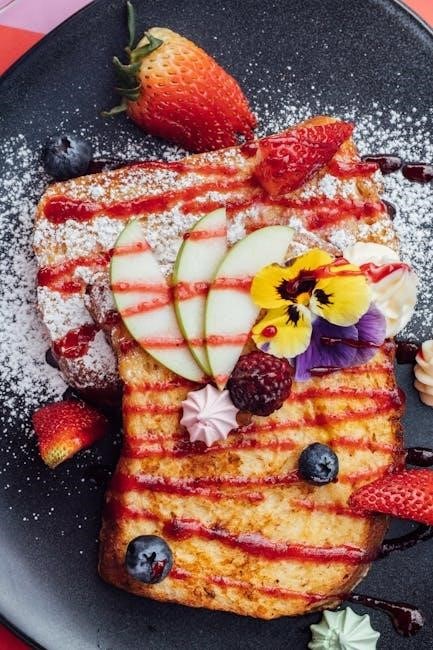
Elevate your French toast experience with thoughtful presentation! Plating with care and adding garnishes enhances visual appeal, making it more inviting․
Pair French toast with fresh fruits like berries or bananas, a drizzle of maple syrup, and a dusting of powdered sugar․ Consider complementary toppings like whipped cream or a sprinkle of nuts for added texture and flavor․
Plating and Garnishing for Visual Appeal
Presentation transforms French toast from simple breakfast to a delightful experience․ Arrange slices artfully on the plate, avoiding overcrowding․
Garnishing with a dusting of powdered sugar, a vibrant berry compote, or a sprig of mint adds color and texture․ A drizzle of maple syrup creates an inviting sheen, enhancing the overall aesthetic and appetite appeal․
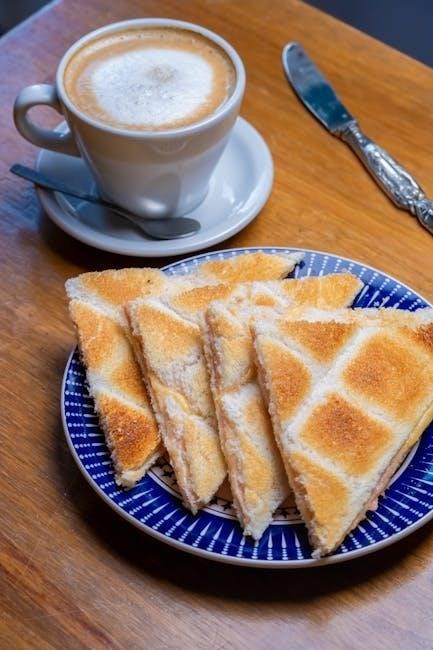
Pairing with Fruits, Syrups, and Toppings
Elevate your French toast with complementary pairings! Classic maple syrup is a staple, but consider fruit compotes – berries, peaches, or apples – for a fresh twist․
Whipped cream, a sprinkle of cinnamon, or a dusting of powdered sugar add delightful textures and flavors․ Don’t hesitate to experiment with nuts or a dollop of yogurt!
Leftover French Toast Storage and Reheating
Proper storage maintains quality․ Cool leftover French toast completely before storing in an airtight container in the refrigerator for up to two days․
Reheating options include a toaster oven for crispness, a skillet with a touch of butter, or a microwave (though it may soften the texture)․ Aim for optimal results by avoiding sogginess!
Maintaining Quality and Texture
To preserve French toast’s delightful texture, ensure complete cooling before airtight storage․ Refrigeration slows staling, but brief storage is key—aim for no more than two days․
Moisture is the enemy! Properly sealed containers prevent sogginess․ Reheating methods significantly impact texture; prioritize methods that restore crispness, like a toaster oven․
Reheating Methods for Optimal Results
Reviving leftover French toast requires careful technique․ A toaster oven is ideal, restoring crispness without excessive drying—around 350°F for a few minutes․ Alternatively, a dry skillet on medium-low heat works well, flipping frequently;
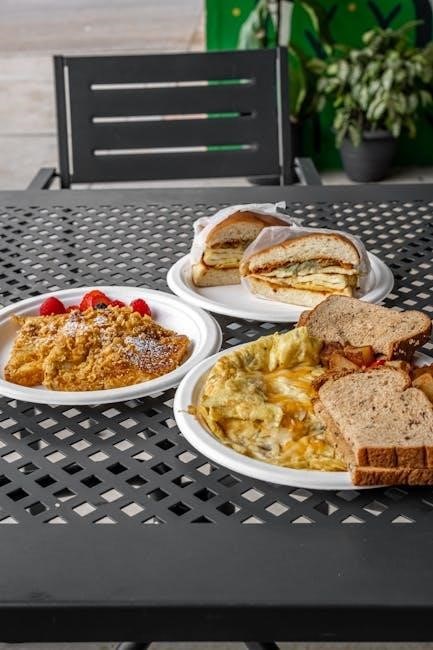
Avoid microwaving, as it often leads to a soggy texture․ A brief reheat is preferable; overdoing it results in dryness, diminishing the initial quality․
Resources for French Toast Recipes and Guides
Numerous online platforms offer French toast inspiration․ Explore recipe websites and culinary blogs for diverse variations and sizing tips․ Reddit’s r/cookingforbeginners provides community-sourced advice, including egg-to-bread ratio guidance․
Family Food on the Table offers quick and easy recipes, while dedicated cookbooks provide in-depth techniques and serving suggestions for perfect portions․
Online Recipe Websites and Blogs
A wealth of French toast recipes awaits online! Websites and blogs frequently detail ingredient combinations and portioning strategies․ Family Food on the Table provides accessible, quick recipes, while broader culinary sites offer diverse variations․
Reddit’s cooking communities, like r/cookingforbeginners, offer user-tested advice and insights into adjusting recipes for desired serving sizes․
Cookbooks and Culinary Resources
Beyond the internet, traditional cookbooks remain valuable resources for French toast mastery․ These often provide foundational techniques and detailed explanations of ingredient interactions, aiding in consistent sizing․
Culinary resources emphasize selecting quality bread – a one-pound loaf is recommended – and understanding how bread type (white, challah, brioche) impacts portion yield and overall enjoyment․
Finding Your Perfect French Toast Size
Ultimately, the ideal French toast size is a balance of bread choice, egg ratio, and personal preference․ Whether using a standard loaf or richer challah, aim for 6-8 pieces․
Adjusting for appetite and accompaniments ensures a satisfying experience․ Remember, an uncut loaf yields better slices, and consistent sizing enhances presentation and enjoyment․