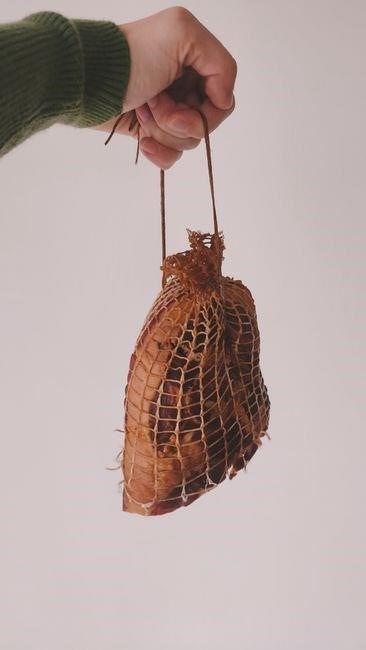
Product Overview
Appleton Farms boneless spiral ham offers a convenient, flavorful option for holiday meals. It arrives pre‑cooked, requiring only gentle reheating to preserve moisture and tenderness. The spiral cut allows easy slicing, while the natural glaze enhances sweetness. Its mild seasoning pairs with sides.
Appleton Farms Boneless Spiral Ham cooking instructions
Begin by placing the boneless spiral ham on a rack in a shallow roasting pan. Preheat your oven to 350°F (177°C). If the ham is frozen, thaw it in the refrigerator for 24 hours per 5 lb. Once thawed, pat the ham dry with paper towels. Bake the ham for approximately 1 ½ hours, or until a calibrated meat thermometer inserted into the thickest part reads 160°F (71°C). During the final 20 minutes of baking, apply the included glaze. Brush the glaze over each spiral slice, repeating the process to build a caramelized crust. After removal, tent the ham loosely with aluminum foil and allow it to rest for 10 minutes; this lets the juices redistribute, ensuring a moist bite. For a low‑heat alternative, place the ham in a slow cooker on the low setting, adding a splash of water or apple juice, and cook for 4–6 hours until the internal temperature reaches 160°F. This method yields a tender, melt‑in-your‑mouth texture. Once the ham has rested, slice it into ¼‑inch thick pieces and serve immediately. Enjoy the rich, savory flavor of Appleton Farms’ pre‑cooked, spiral ham with your favorite holiday sides.
For a smoky twist, brush a thin layer of liquid smoke during the last 10 minutes of baking. Keep the ham covered with foil until the internal temperature reaches 160°F, then remove the foil to allow the glaze to set. After the ham has rested, use a sharp knife to slice across the spiral pattern for even portions. Serve with a side of roasted root vegetables or a light salad to balance the richness. Check temp. 5 min each!
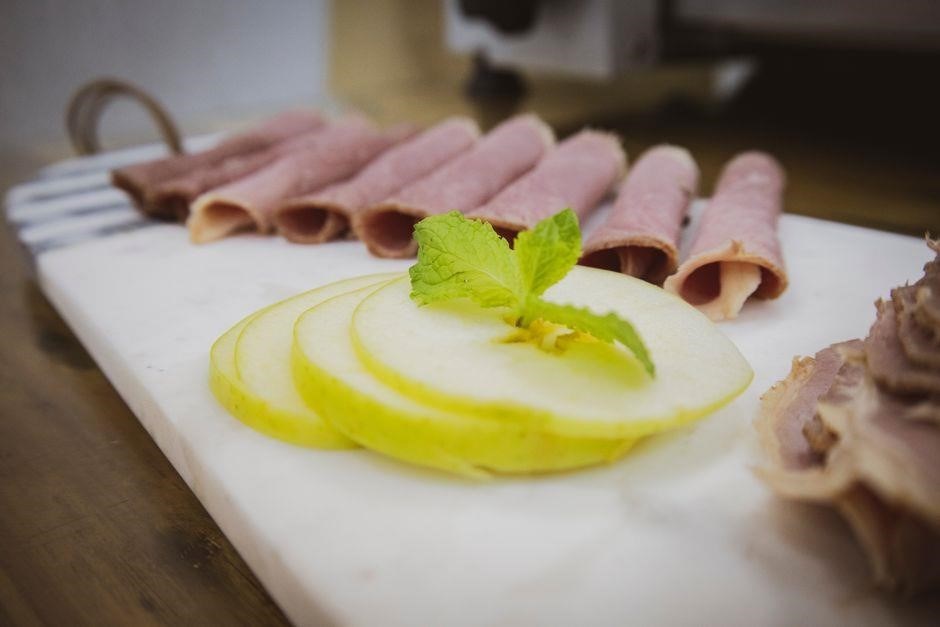
Preparation Essentials
Thaw the ham in the refrigerator for 24 hours per 5 lb. Keep it wrapped to prevent drying. Store in a sealed container; refrigerate until ready to cook. If cooking immediately, place on a rack in a shallow pan, cover loosely with foil, and preheat oven to 350°F. Wrap the ham in foil to lock moisture up
Thawing and Storage Guidelines
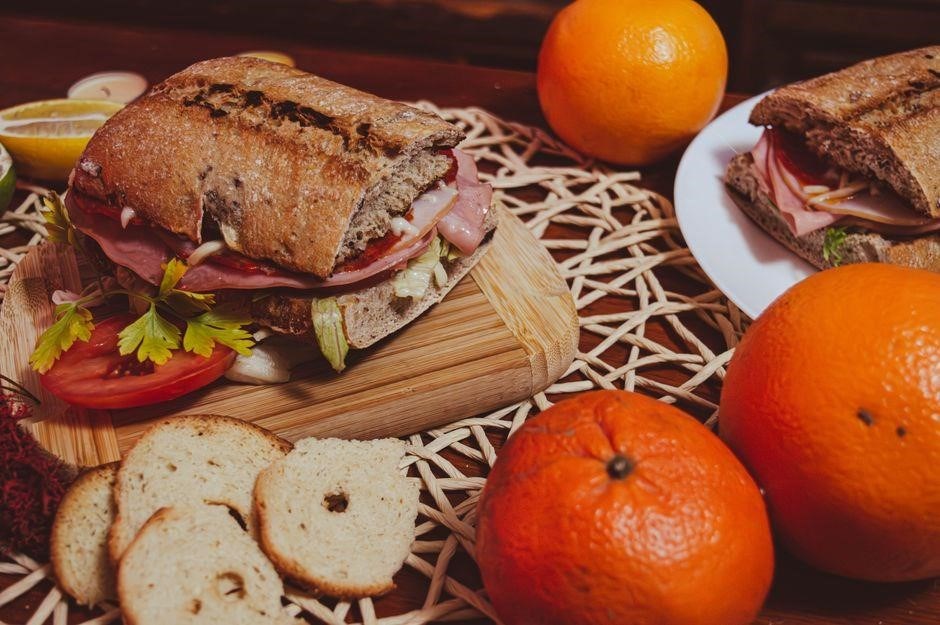
Appleton Farms boneless spiral ham arrives pre‑cooked and fully cured, so the only real preparation is safe thawing and proper storage. Thaw in the refrigerator 24 hours per 5 lb; this keeps the interior uniform and prevents drying. A cold water bath can be used for faster thawing—submerge the wrapped ham in cold tap water, changing every 30 minutes, and expect roughly 1 hour per pound. Never thaw at room temperature to avoid bacterial growth;
Once thawed, keep the ham refrigerated at or below 40 °F (4 °C) until cooking. Store it in a sealed container or tightly wrapped in plastic and foil to protect against freezer burn and odors. If you have a freezer, the ham can be stored for up to 6 months; freeze in original packaging or in a freezer‑safe bag, labeling the date. Thaw in the refrigerator for 24 hours per 5 lb before use; do not refreeze a thawed ham. Reheat only once to preserve moisture. Check the internal temperature with a meat thermometer; the ham should reach 140°F (60°C) before serving. If you prefer a sweeter glaze, brush a mixture of sugar, honey, and mustard during heating.
During storage, avoid placing the ham on top of raw meats to prevent cross‑contamination. Keep it on a dedicated shelf or in a separate compartment. If you notice off‑odor, sliminess, or discoloration, discard the ham. Proper thawing and storage preserve tenderness, moisture, and safety. Follow these guidelines to enjoy a juicy, safe ham every time. After cooking, let the ham rest for at least 10 minutes before slicing to allow juices to redistribute. Store leftovers in airtight containers in the refrigerator for up to 3 days. OK
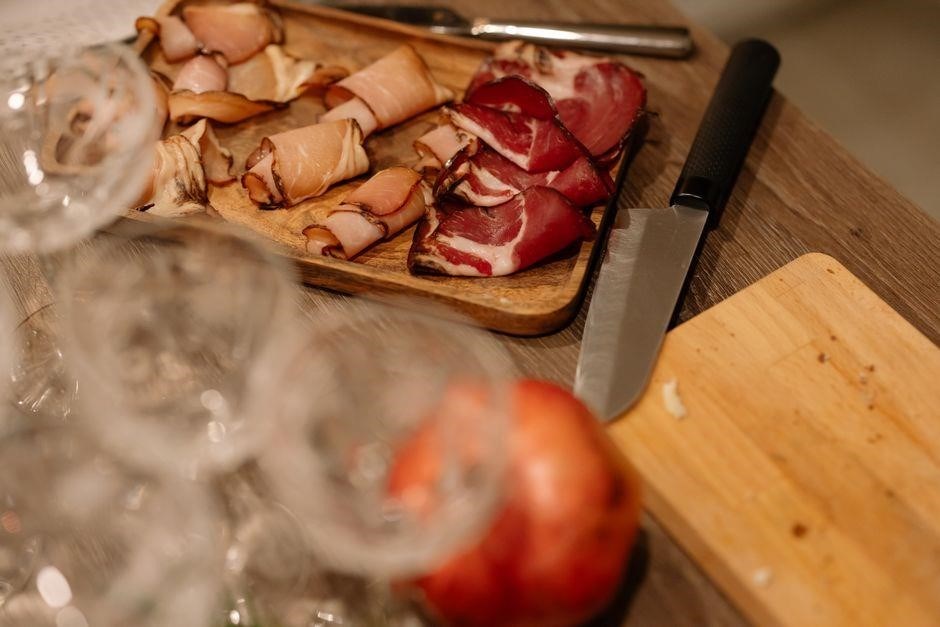
Oven Settings and Setup
Preheat oven to 350°F (175°C); Place the ham cut‑side down on a rack in a shallow roasting pan, adding 1‑2 inches of water or broth to keep it moist. Cover tightly with foil for the first 2/3 of baking, then remove to glaze. Bake until internal temp reaches 140°F. Keep foil on until glaze sets, remove crisp.!
Preheat Temperature and Pan Arrangement
Before you even touch the ham, preheat your oven to 350°F (175°C). This moderate temperature ensures the meat warms evenly without drying out. While the oven is heating, choose a shallow roasting pan that is wide enough to hold the entire spiral without crowding; a pan that is too narrow will force the ham to stack, creating uneven heat distribution.
Place a wire rack in the pan so the ham sits slightly above the bottom. Elevating the meat allows hot air to circulate around all sides, promoting a uniform rise in internal temperature.
Pour 1–2 inches of liquid into the bottom of the pan—water, apple juice, or a light broth works well. The liquid creates steam as it heats, keeping the surface moist and helping to lock in the ham’s natural juices. If you prefer a sweeter glaze, add a splash of maple syrup or honey to the liquid.
Cover the pan tightly with aluminum foil for the first two‑thirds of the cooking time. Foil traps steam, which gently reheats the ham and preserves tenderness. After the foil is removed, allow the ham to bake uncovered for the final 20–30 minutes so the glaze can caramelize and form a glossy, flavorful crust.
Position the pan on the middle rack of the oven to avoid hot spots near the heating elements. If your oven has a convection setting, you can use it at 325°F (165°C) for a slightly faster bake, but keep the same liquid and foil strategy. Following these steps will give you a perfectly reheated, moist, and delicious Appleton Farms boneless spiral ham.
Remember to keep the oven door slightly ajar during the last 20 minutes of baking; this helps the glaze set without over‑browning. After removing the ham, tent it with foil and let it rest for 10 minutes before carving. This resting period redistributes juices, keeping slices moist flavorful.
Baking Techniques
Appleton Farms boneless spiral ham is best reheated at 350°F. Place it cut‑side down on a rack in a shallow pan with a splash of liquid. Cover with foil for 1½ hours, then remove foil, glaze, and bake 20 minutes to caramelize. Serve immediately with your favorite sides for a festive meal. Enjoy! Bon.!! OK!
Standard 350°F Bake with Glazing
A tablespoon of brown sugar with the glaze before brushing. If you prefer, add vinegar to the liquid in the pan. Keep the foil on during the first 90 minutes to lock in moisture, then remove it to allow the glaze to set. When carving, use a sharp knife and cut along the spiral lines to preserve the texture. Pair the ham with vegetables, or a salad for a meal. Store leftovers in an airtight container in the refrigerator for up to three days, reheating gently to 165°F before serving!!!
Alternative Cooking Methods
For a low‑heat option, place the ham in a covered pot with a splash of apple juice or broth. Simmer gently on low for 4–6 hours, checking that the internal temperature reaches 140–145°F. This method yields a moist, tender result without caramelizing the glaze. Serve hot, sliced thinly, with potatoes.!!
Slow Cooker Low-Heat Option
When opting for a slow‑cooker approach, the key is gentle heat and moisture. Place the boneless spiral ham, cut‑side down, in the slow‑cooker insert. Add a small amount of liquid—apple juice, cider, or a light broth—to keep the surface from drying out. Cover the lid tightly and set the cooker to low. Cook for 4 to 6 hours, depending on the ham’s weight; a 4‑lb ham typically needs 4 hours, while a 6‑lb may require 5‑6 hours. During the last 30 minutes, remove the lid, brush the ham with the included glaze, and return it to the cooker to allow the glaze to caramelize slightly. Check the internal temperature with a meat thermometer once the cooking time is complete; the safe target is 140‑145°F. Let the ham rest for 10 minutes after removing it from the cooker, tenting loosely with foil to retain heat. Slice the ham into thin, even pieces using a serrated knife, and serve immediately with your favorite sides. Leftovers can be stored in an airtight container in the refrigerator for up to 3 days, reheated gently in the oven at 325°F for 10 minutes per pound, or microwaved in short bursts, ensuring the internal temperature reaches 165°F before consumption. This method preserves the ham’s natural juiciness while delivering a convenient, hands‑off cooking experience.
For best results, always use a reliable meat thermometer to avoid overcooking.
- Place ham cut‑side down in the slow‑cooker.
- Add ½ cup apple juice or broth.
- Cover and set to low for 4–6 hours.
- In the final 30 minutes, brush glaze and re‑cover.
- Check internal temp; aim for 140–145°F.
- Rest 10 minutes, tent with foil.
- Slice thinly with a serrated knife.
- Serve hot with sides.
- Store leftovers in airtight container.
- Reheat in oven at 325°F for 10 min per pound.
- Or microwave in short bursts to 165°F.
- Enjoy the moist, caramelized flavor.
Internal Temperature Targets
Appleton Farms boneless ham should reach 140‑145°F internally. Use a probe thermometer inserted into the thickest part. After reaching target, let rest 10 minutes; temperature will rise 5°F. Resting ensures juices redistribute, yielding moist, safe meat. Temperature should not exceed 150°F and dry!?
Safe Cooking Temperature and Resting Time
Appleton Farms boneless spiral ham is pre‑cooked, so the primary goal is gentle reheating rather than full cooking. The USDA recommends a final internal temperature of 140–145°F for this type of ham. Insert a probe thermometer into the thickest part of the spiral; when the needle reads within that range, the ham is ready. After removal from the oven, let the ham rest for 10 minutes. Cover loosely with foil to keep it warm. During this rest period the internal temperature will rise about 5°F, bringing it to the upper end of the safe range and allowing juices to redistribute. This brief rest also helps the glaze set, giving a glossy finish. Do not exceed 150°F, as the meat can dry out. A quick visual check—if the surface is still slightly pink, it may need a few more minutes of heat, but avoid over‑baking. The combination of a 140–145°F core temperature and a 10‑minute rest ensures a moist, flavorful ham that meets food‑safety guidelines. For best results, use a calibrated thermometer and check the center of the spiral, not the edge. Tenting the ham with foil prevents the exterior from over‑browning while the interior continues to heat evenly. If you prefer a caramelized crust, apply glaze during the last 20 minutes of reheating, brushing every few minutes; the glaze will set during the rest period. Finally, slice the ham on the spiral’s natural ridges to preserve moisture and serve immediately after resting for optimal taste and texture.
When reheating, place the ham cut‑side down on a rack in a shallow roasting pan. This allows air circulation and prevents the bottom from becoming soggy. If you’re using a slow cooker, set it to low and cook for 4–6 hours; the internal temperature will still reach the safe range. Regardless of method, always check the core temperature before serving. If the ham’s temperature is below 140°F, return it to the heat source for a few minutes. The resting period also allows the meat’s fibers to relax, making slicing smoother and reducing the risk of tearing. Keep the foil tent loosely so steam can escape; a tight seal can cause condensation that softens the glaze. By following these temperature and resting guidelines, you’ll achieve a tender, juicy ham that satisfies both safety standards and holiday expectations. Avoid tight foil keep glaze crisp!
Serving and Storage Tips
Carve the ham along the spiral grooves, serve slices with cranberry sauce and roasted veggies. Store leftovers in an airtight container in the fridge for up to 4 days. Reheat gently at 325°F until 140°F, then let rest 10 minutes before serving. Add a drizzle of honey for a sweet finish. Perfect!!!.
Carving, Serving Sides, and Leftover Storage
When the Appleton Farms boneless spiral ham reaches the desired internal temperature, remove it from the oven and let it rest, tented with foil, for 10 minutes. This resting period allows juices to redistribute, ensuring each slice stays moist. Use a sharp carving knife and follow the natural spiral grooves; slice about 1/4‑inch thick for a classic presentation. Serve the warm slices on a platter with a drizzle of the leftover glaze or a complementary honey‑mustard sauce. Traditional sides such as roasted potatoes, glazed carrots, green bean casserole, or a fresh garden salad balance the richness of the ham. For a holiday touch, add a cranberry‑apple compote or a maple‑bacon relish.
Leftover ham can be stored in the refrigerator for up to four days. Wrap tightly in plastic wrap or place in an airtight container to prevent drying. Reheat slices in a preheated 325°F oven for 10–15 minutes, or in a microwave on medium power until warmed through. If you prefer a crisp exterior, finish the reheated slices on a grill or in a skillet for a few minutes. For long‑term storage, vacuum‑seal the ham and freeze; it will keep well for up to three months. Thaw in the refrigerator before reheating to maintain texture. When serving leftovers, re‑warm to 140°F and allow a brief rest before slicing again. This method preserves flavor and moisture, making every bite as delightful as the first. Enjoy this succulent ham with your favorite holiday traditions for a memorable feast.